
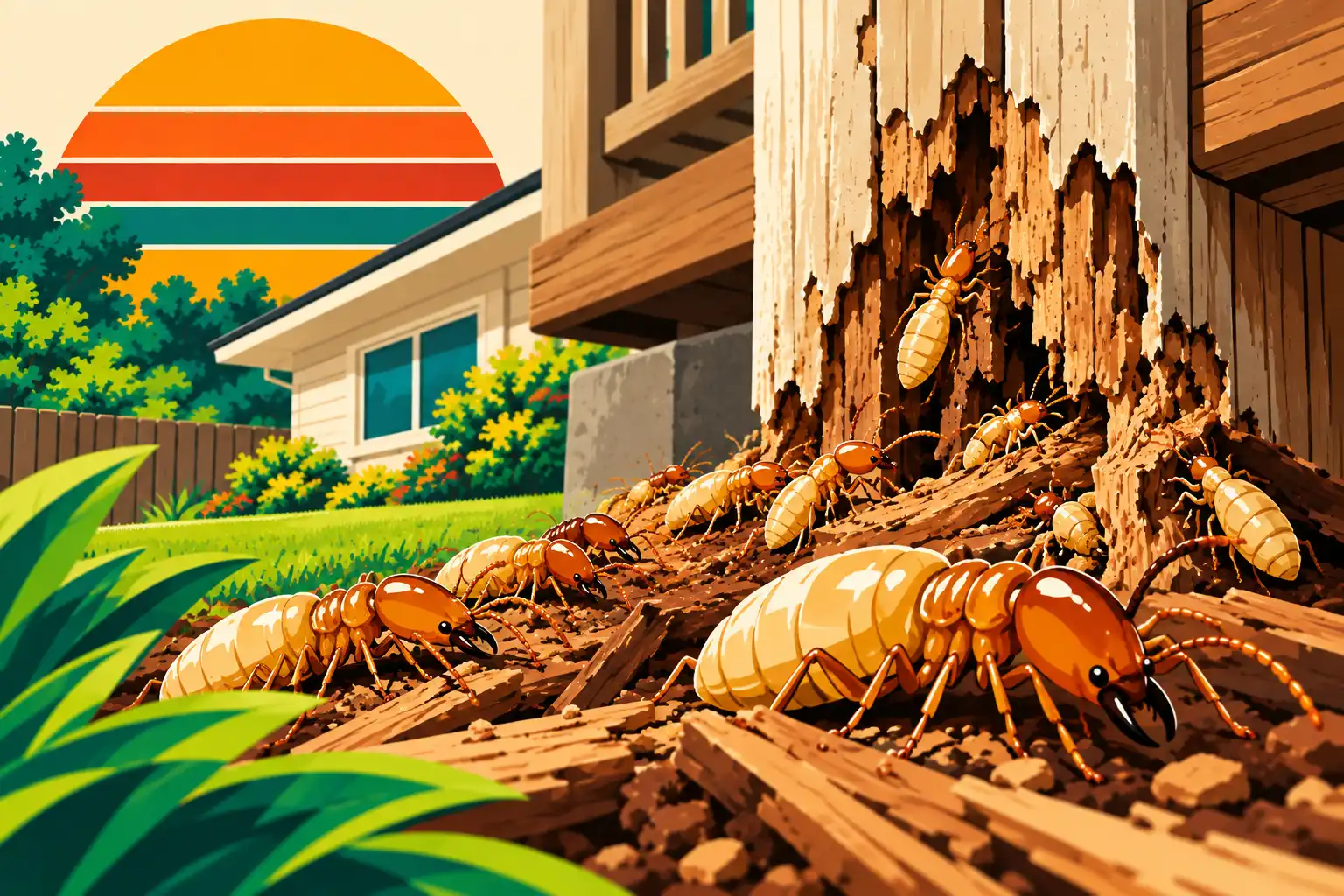
Quiet Pests. Costly Habits.
Termites don’t make much of an entrance. They tend to get comfortable out of sight, which means damage can develop long before you notice something is wrong.
Subterranean termites travel through soil and build mud tubes to reach wood. Drywood termites can live directly inside wooden materials. Either way, what you see on the surface may be only part of the problem.
We inspect accessible areas of your home, foundation, and surrounding property for termite activity, damaged wood, moisture, and potential entry points. Then we walk you through our findings and recommend a plan that fits your home.

Termites Found in Texas
Eastern Subterranean Termites
A common concern for Texas homeowners, these termites live in underground colonies and travel to wood through soil and protective mud tubes. Wood touching the ground and openings around foundations can give them a route inside.
Formosan Subterranean Termites
These invasive termites can develop large colonies and cause substantial damage. Found in parts of Texas, they also travel through soil and build protective shelter tubes. Correct identification helps determine the right treatment approach.
Drywood Termites
Drywood termites make their home directly inside wood without needing contact with soil. They can infest structural wood, furniture, and other wooden items. Small piles of hard, pellet-like droppings may be one of the first clues.
Termite Swarmers
Swarmers aren’t a separate species—they’re winged termites that leave established colonies to start new ones. Finding them indoors, or noticing piles of similarly sized discarded wings, is a reason to schedule an inspection.
HOW IT WORKS
An Smarter Approach
To Termite Control
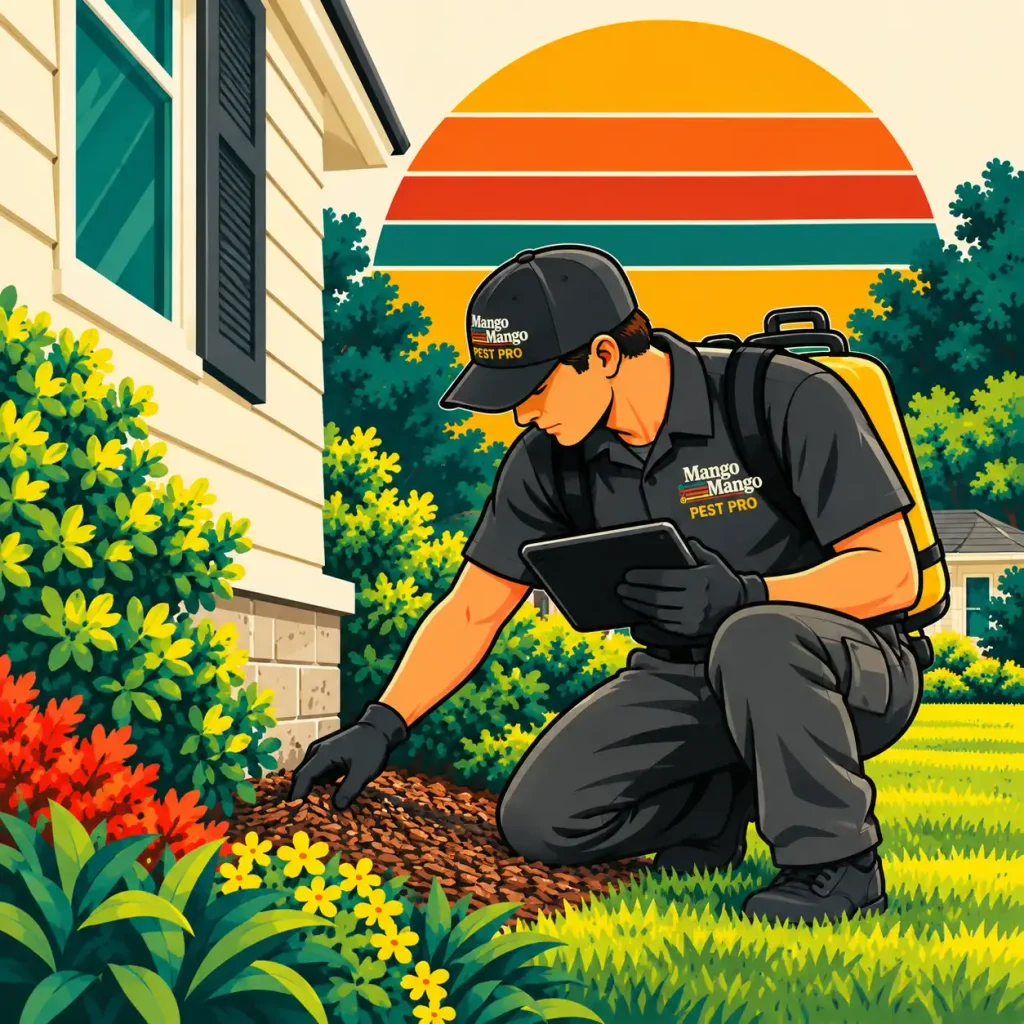
Inspect
We examine accessible areas for termites, mud tubes, wood damage, moisture, and conditions that could make your property more inviting.
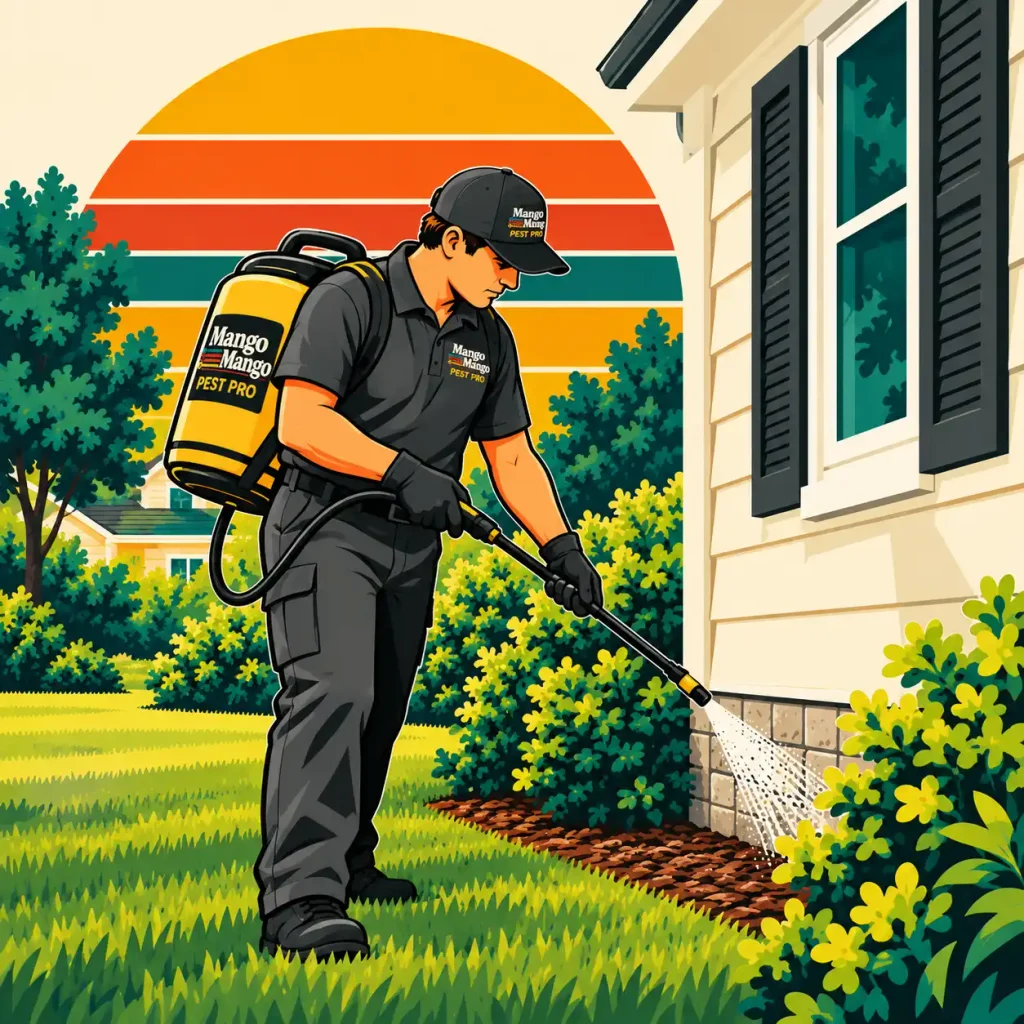
Treat
We recommend a treatment approach based on the termites we identify, where they’re active, and how your home is built. You’ll know what we recommend and why.

Protect
We explain practical ways to reduce future risk, including addressing moisture and wood-to-ground contact, along with any recommended monitoring or follow-up.
Signs You May Have a Cockroach Problem
Why Do Cockroaches Keep Coming Back?
Their best work happens where you can’t see it. A colony may be underground, inside wood, or connected to your home through hidden routes. Removing damaged wood or treating a visible spot may leave other activity untouched.
Effective termite control starts with identifying the termite and understanding how it’s reaching your property. Mango Mango uses those findings to recommend a treatment strategy that addresses the activity we find, along with conditions that could invite future trouble.
Make Your Space Yours Again
Call (254) 870-8225
Say goodbye to pests.
Ants, cockroaches, termites, mosquitoes, rodents, and scorpions can make themselves at home in Central Texas any time of year. We look for what’s bringing them in, treat where it’s needed, and help keep them from coming back, with a plan that fits your home. Get to know the pests we treat below.